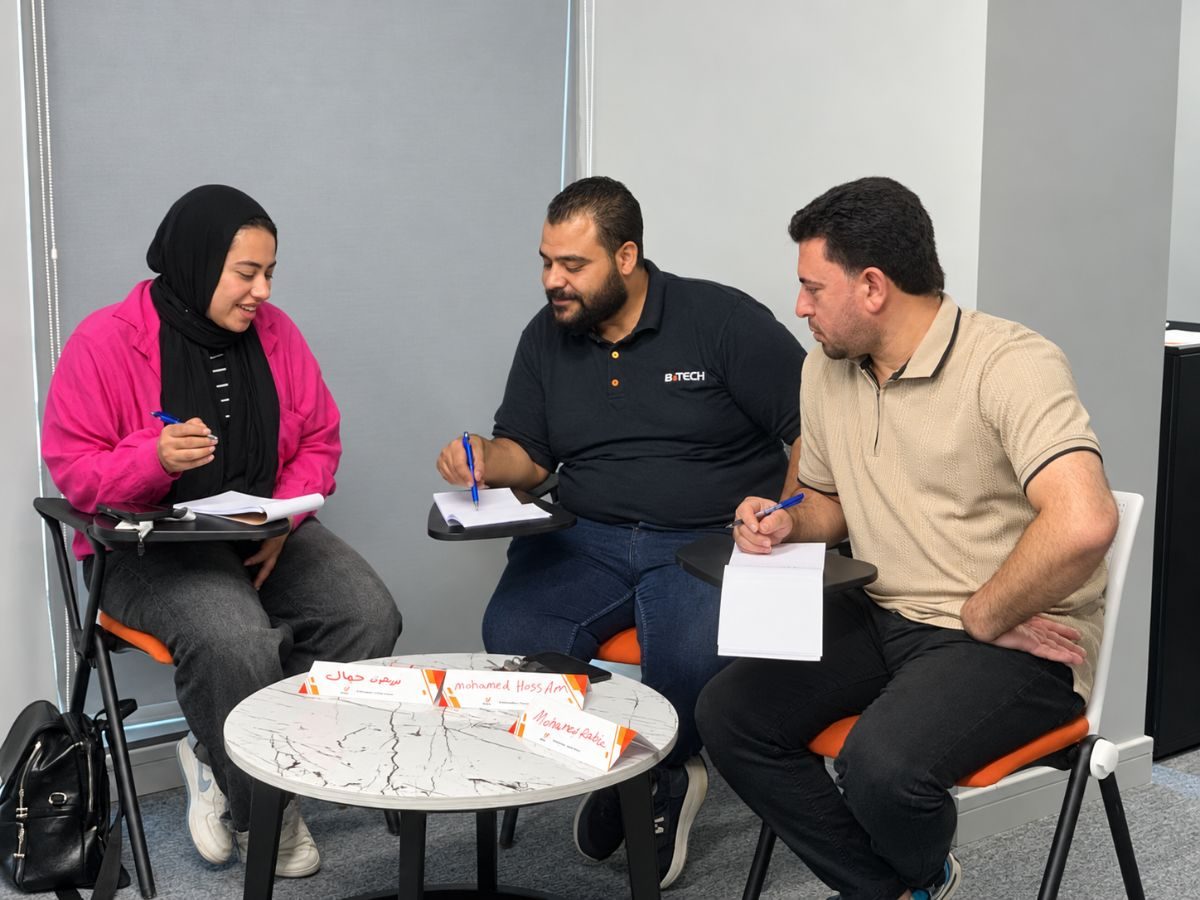
Technical skills get the work done. Soft skills decide how well people work together, serve customers and handle pressure.
Why soft skills matter more than ever
As work becomes more collaborative and customer-focused, skills such as communication, problem solving, time management and emotional intelligence have a direct effect on productivity, service quality and staff retention.
Soft skills can be learned
These skills are often seen as personality traits, but they can be practised and improved. Structured training gives people practical tools, such as a method for analysing problems or a framework for difficult conversations, that they can use straight away.
Make it practical
The most effective soft skills training uses role plays, real workplace cases and discussion rather than lectures. Participants leave with a clear plan for how they will apply what they learned.
Tailor it to your context
A customer service team, a production line and a sales team face very different challenges. Customizing the content to each group makes the training relevant and far easier to apply.