Skip to content
/
Articles
Articles & insights

Ideas for building stronger people and teams.

Practical insights on corporate training, leadership development, Team Building and the future of work, written for HR, L&D and business leaders in Egypt.

Leadership development training by Varia
Leadership development
6 min read · Varia Training

Leadership development in Egypt: why great employees struggle as new managers

Promoting your best performer is a natural choice. Without the right support, it can also cost you a strong employee and leave a team without real leadership.

The promotion problem

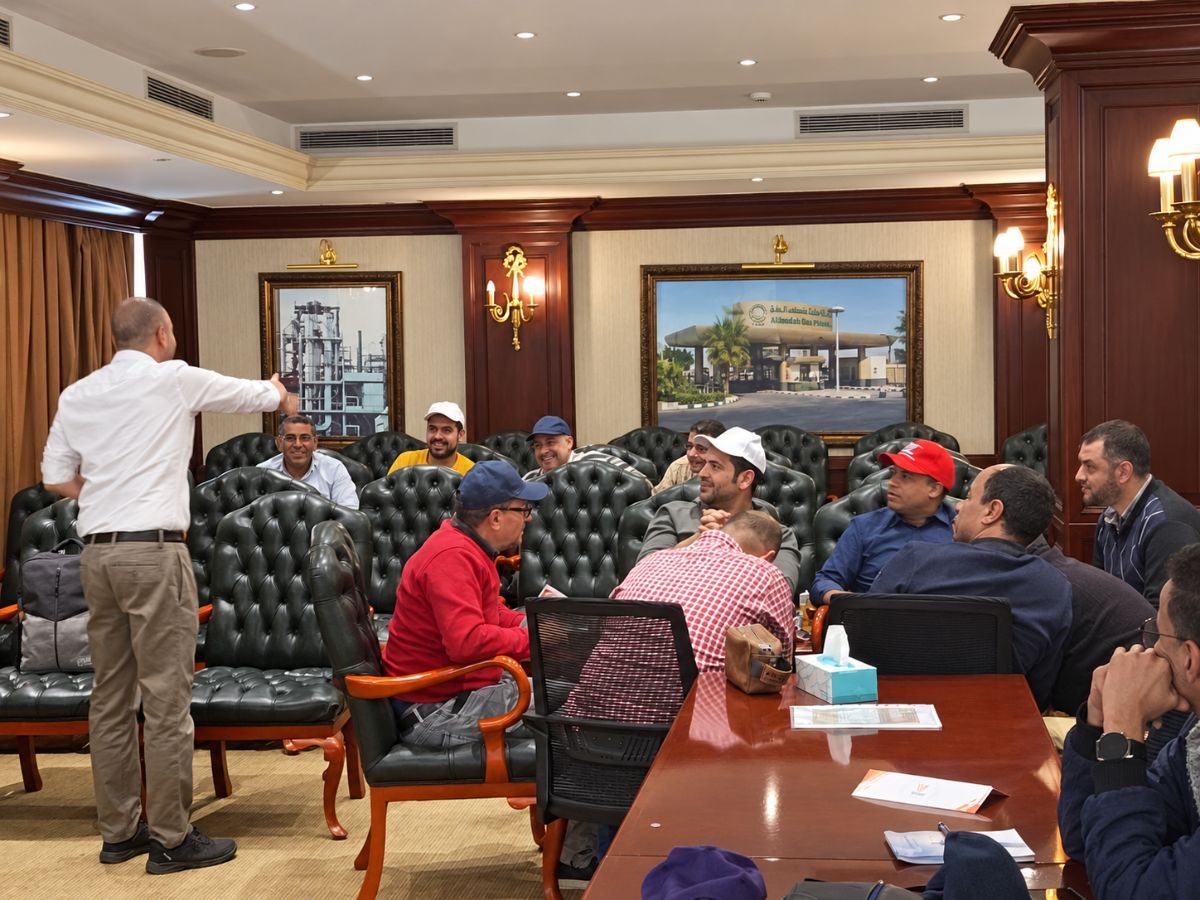
Most managers are promoted because they excelled in their previous role. The skills that made them successful, such as technical expertise and personal output, are not the skills they now need. Leading people requires delegating, giving feedback, setting priorities and holding others accountable, and few new managers have been trained to do any of these.

What effective leadership development looks like

Strong leadership development programs start with the real situations managers face: a difficult conversation, a missed deadline, a team that has lost motivation. Practising these situations in a safe environment builds confidence far faster than theory alone.

From one workshop to a learning journey

Leadership is built over time. A learning journey that combines supervisory skills, communication, coaching and decision making, spread across several sessions, gives managers time to apply each skill at work before moving to the next.

Where to start

Begin with your first-line supervisors. They lead the largest share of your workforce and have the most direct effect on daily performance, which makes them the best place to invest first.

Team Building
5 min read · Varia Training

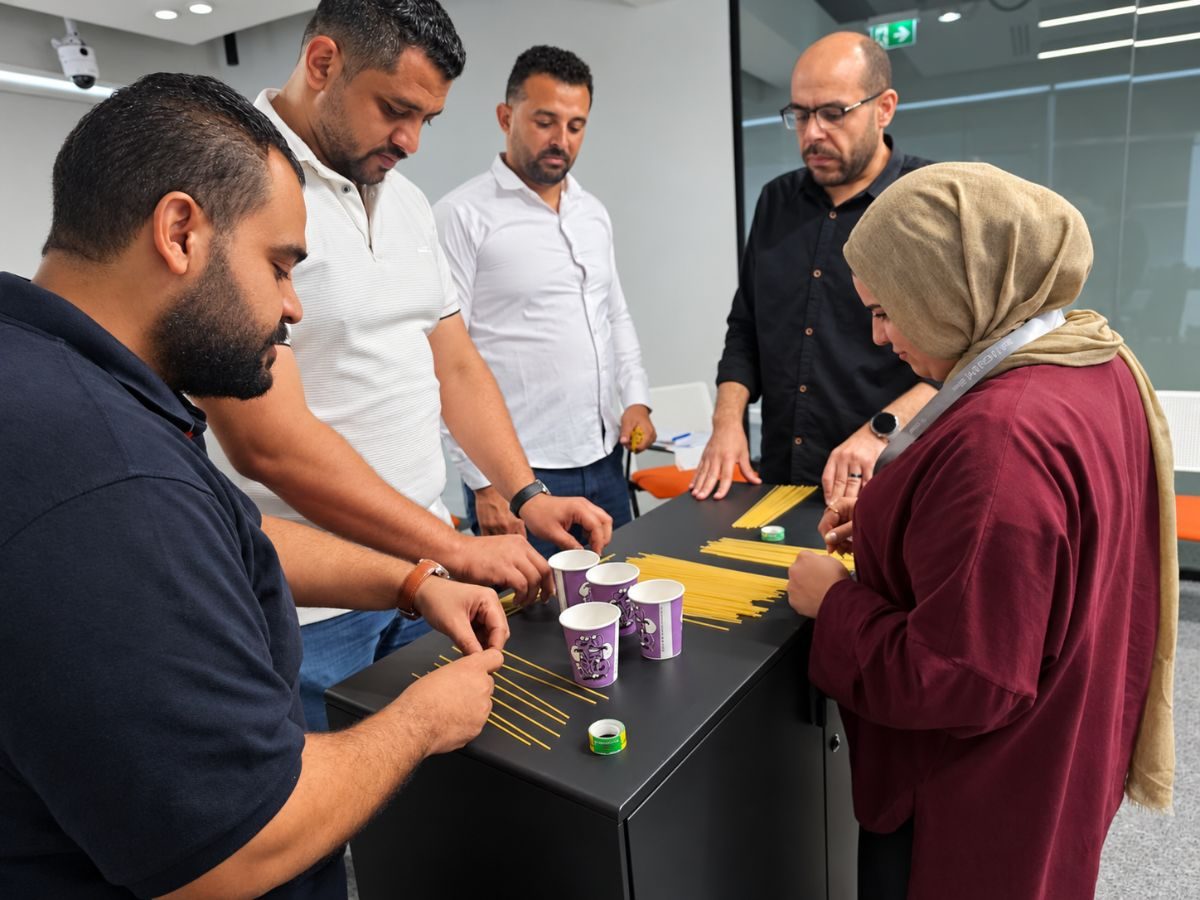
Team Building in Egypt: how to turn a fun day into lasting results

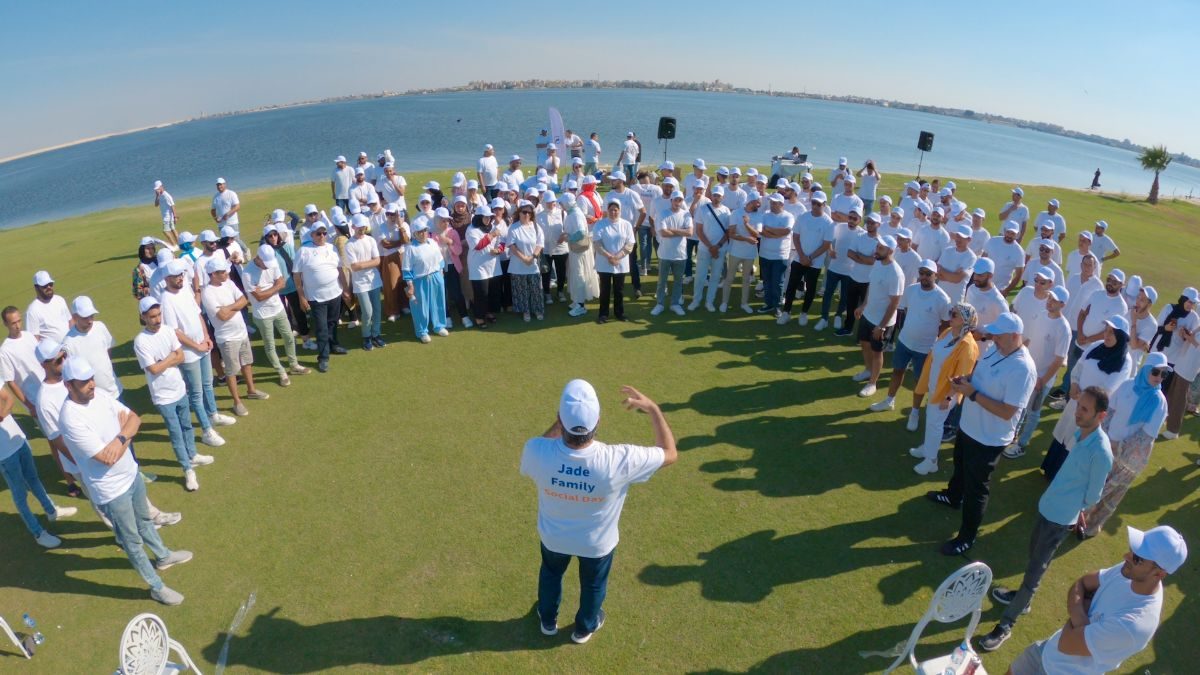
A great Team Building day leaves people energised. A well-designed one also changes how they work together on Monday morning.

Why many team days are quickly forgotten

When activities are chosen only for fun, the energy fades as soon as the day ends. The team enjoyed itself, but nothing connects the experience to the way people communicate, share information or solve problems at work.

Start with the team’s real challenge

Effective Team Building starts with a question: what does this team need to do better? It may be trust between departments, clearer communication under pressure or alignment around a shared goal. The games are then chosen to bring that challenge to the surface.

The debrief is where learning happens

Every activity should end with a guided discussion. What happened? What worked? What would we do differently? This is the moment when participants connect the game to their daily work and agree on what to change.

Indoors or outdoors

Both formats can work well. Indoor sessions suit meeting rooms and halls, while outdoor experiences add movement and energy. The right choice depends on your team’s size, goals and preferences.

AI & Future Workforce
6 min read · Varia Training

AI in the workplace: preparing your workforce for the future of work

Artificial intelligence is already changing everyday work. Organizations that help their people adapt now will move faster and with more confidence.

The real gap is skills, not tools

Most employees already have access to AI tools. What many lack is the knowledge to use them well: how to ask the right questions, check the results and apply them responsibly to real tasks.

Start with everyday tasks

The quickest gains come from tasks people do every day, such as writing reports, summarizing documents, analysing data and preparing presentations. Practical, hands-on training built around these tasks shows value from the first session.

Build the right mindset

Adapting to AI is as much about mindset as it is about technology. Employees need to see AI as a tool that supports their work, while managers need to lead that change clearly and set guidelines for responsible use.

Combine AI with human skills

Critical thinking, communication and decision making become more valuable as AI takes over routine work. The strongest programs develop both sides together.

Soft skills
5 min read · Varia Training

Soft skills training: the human skills that drive business performance

Technical skills get the work done. Soft skills decide how well people work together, serve customers and handle pressure.

Why soft skills matter more than ever

As work becomes more collaborative and customer-focused, skills such as communication, problem solving, time management and emotional intelligence have a direct effect on productivity, service quality and staff retention.

Soft skills can be learned

These skills are often seen as personality traits, but they can be practised and improved. Structured training gives people practical tools, such as a method for analysing problems or a framework for difficult conversations, that they can use straight away.

Make it practical

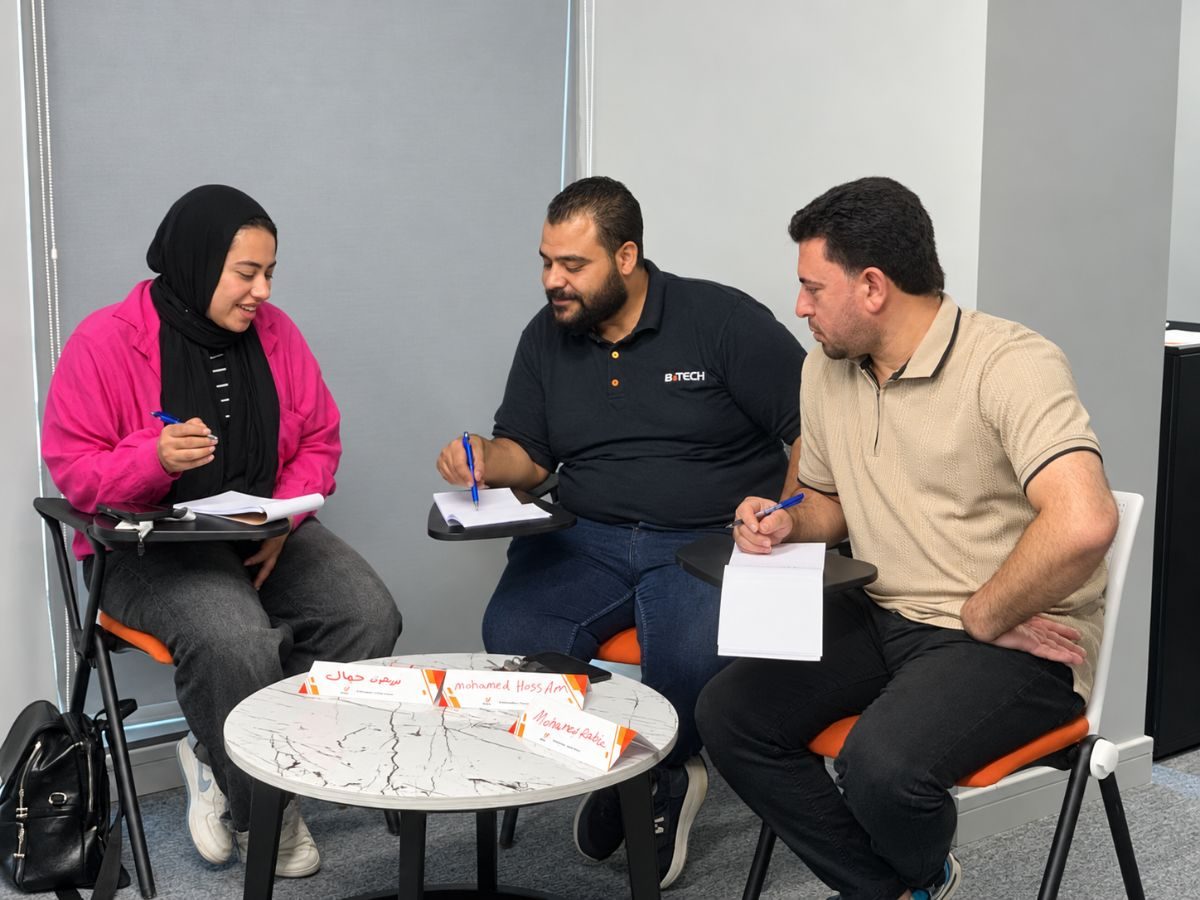
The most effective soft skills training uses role plays, real workplace cases and discussion rather than lectures. Participants leave with a clear plan for how they will apply what they learned.

Tailor it to your context

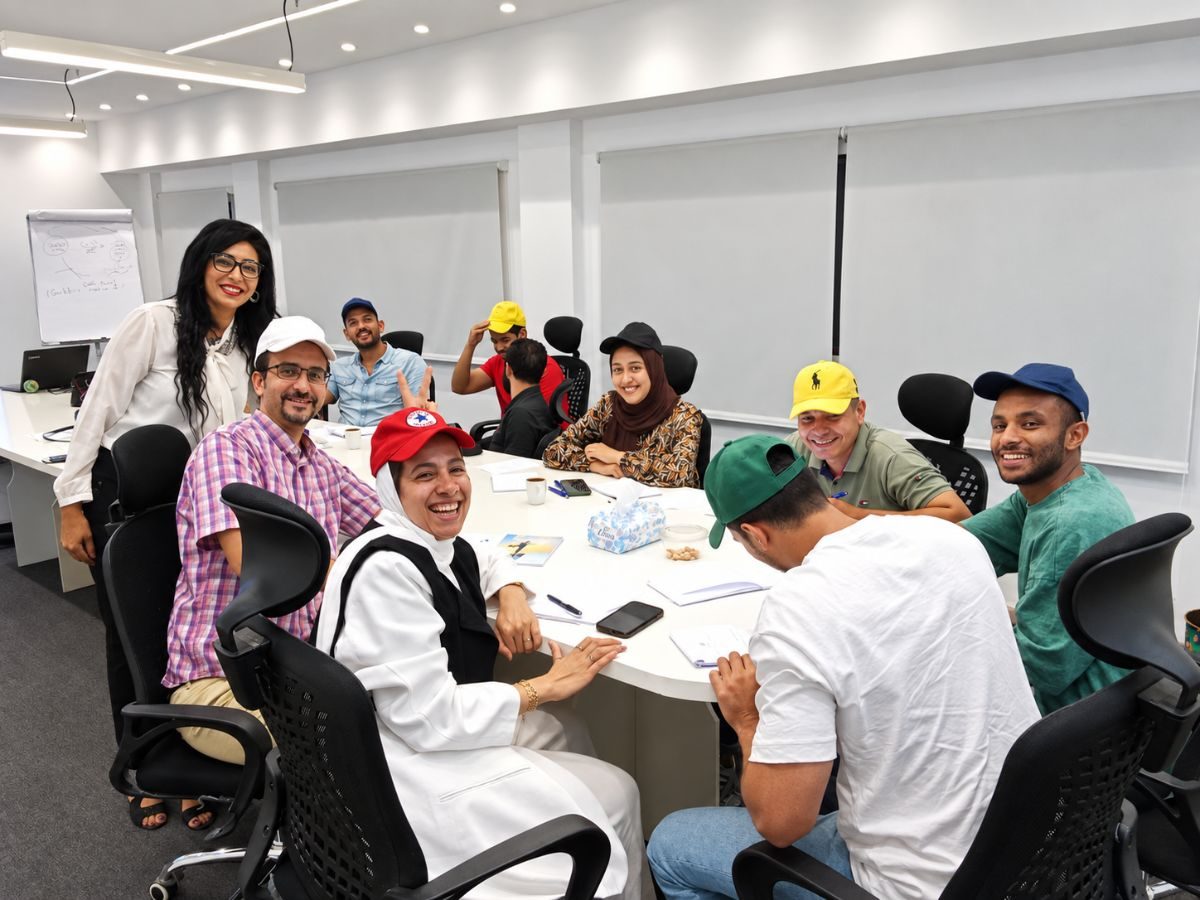
A customer service team, a production line and a sales team face very different challenges. Customizing the content to each group makes the training relevant and far easier to apply.

Measuring training impact
7 min read · Varia Training

How to measure training impact and show the value of learning

Training is an investment. Measuring its impact helps you understand what changed and make better decisions about what comes next.

Start with clear objectives

Measurement begins before the training does. Agree on what participants should know or do differently by the end, and link those objectives to a business goal your organization cares about.

Assess before and after

Pre- and post-assessments show how much participants’ knowledge and skills have moved. They also highlight which topics landed well and which need more support.

Listen to participants

Participant feedback reveals how relevant the training felt and how people plan to use it. Asking each participant to write a personal action plan turns that feedback into a commitment.

Follow up at work

The strongest evidence comes later, when managers see new behaviours on the job. A short follow-up with participants and their managers helps confirm what has changed and where to focus next.

From ideas to action

Ready to put these ideas to work for your team?

Tell us about your goals, and we will design a program built around your people and your business.